3DRONEMAPPING
Drone based LiDAR aerial surveys by 3DroneMapping

Drone based LiDAR aerial surveys by 3DroneMapping
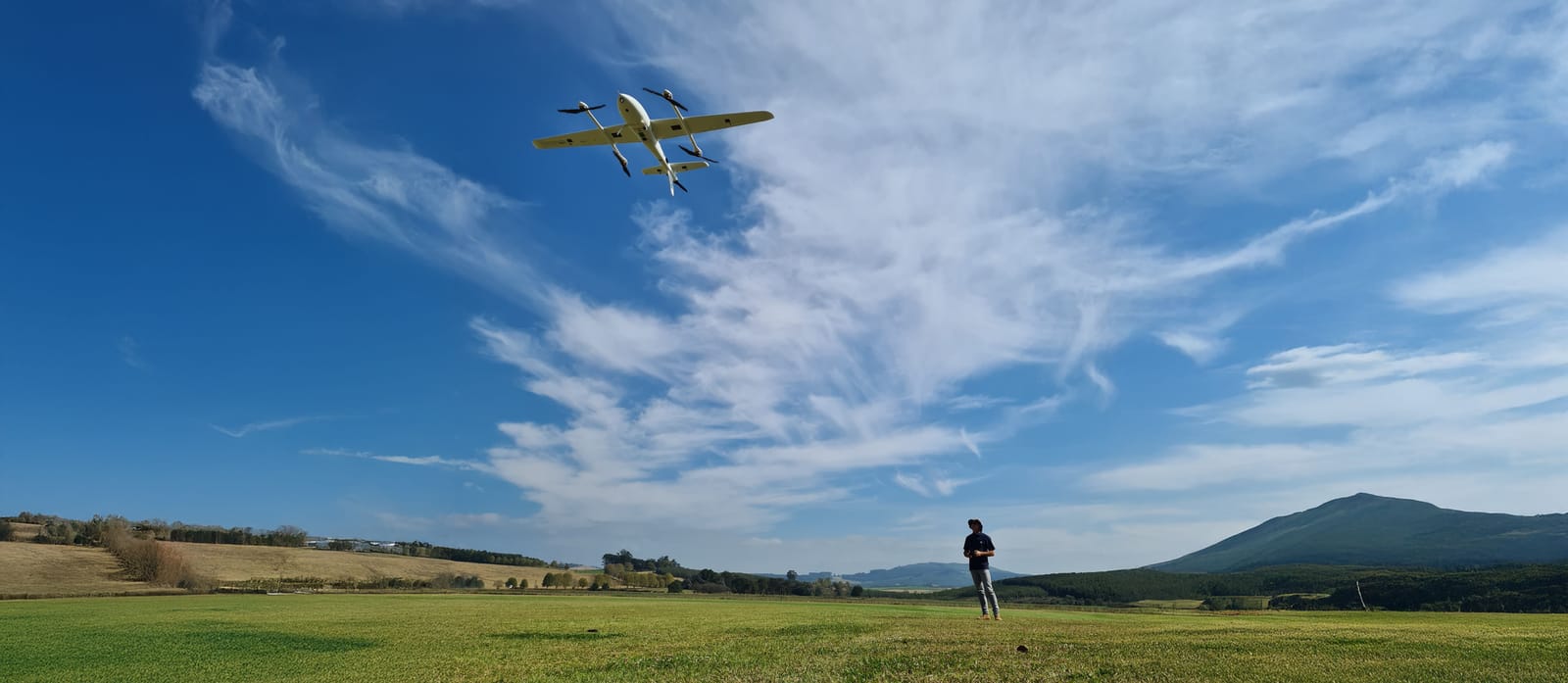
3DroneMapping has been providing high-accuracy drone based LiDAR aerial surveys in Africa for the past 15 years. Our expertise lies in tackling challenging survey sites that are either too expansive for traditional drone systems or not cost-effective for manned aviation. By investing extensively in R&D and utilising advanced LiDAR technology, 3DroneMapping has developed proprietary long-range drones for achieving exceptional survey results.
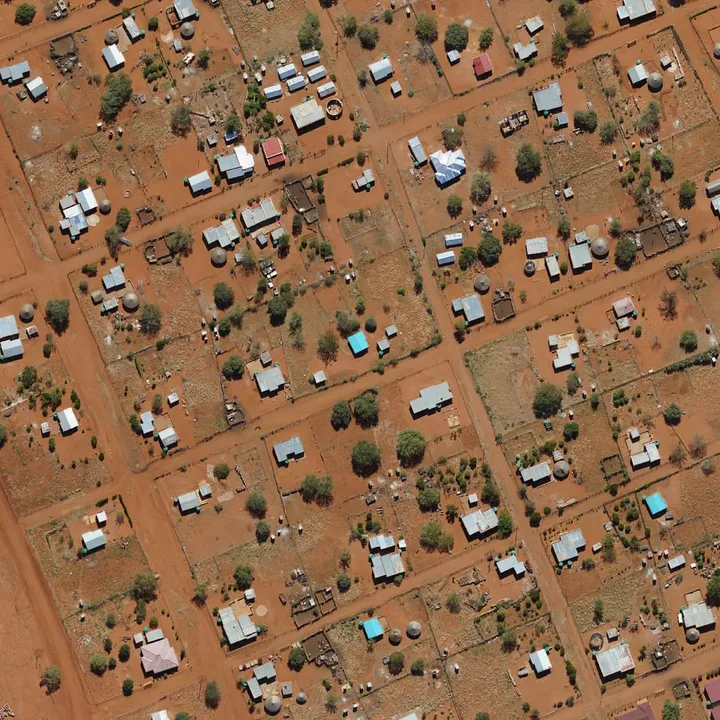
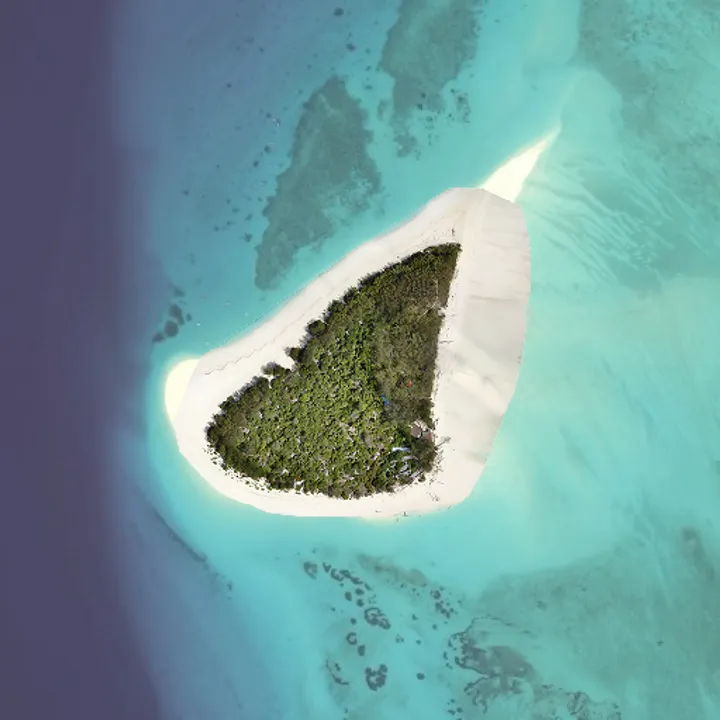
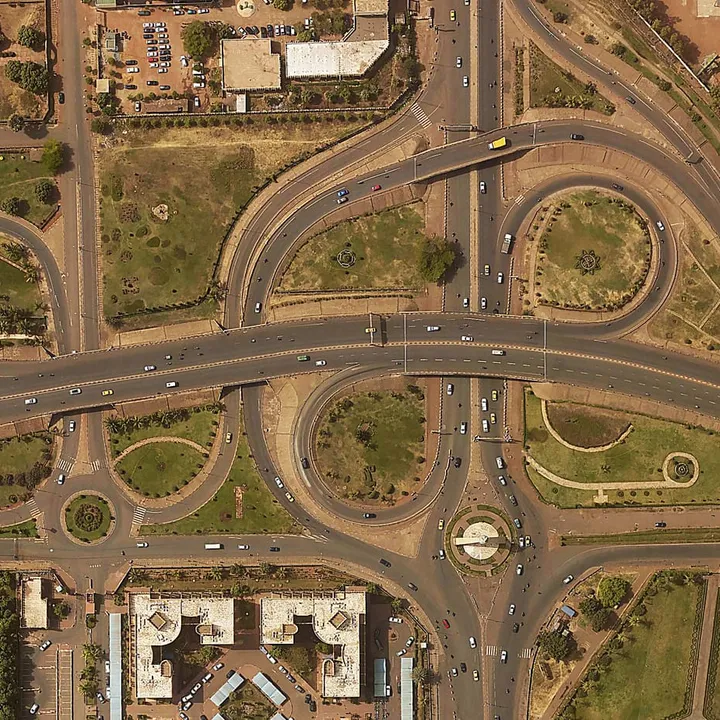
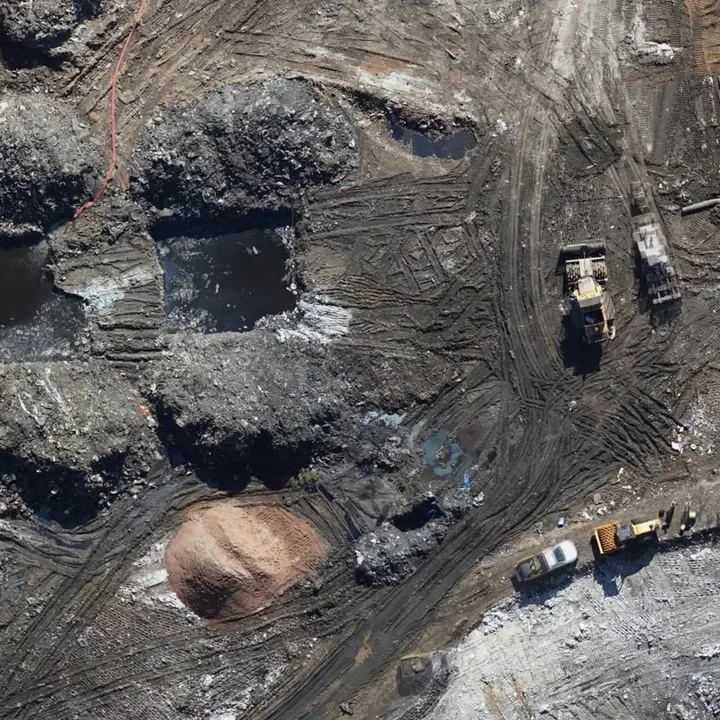
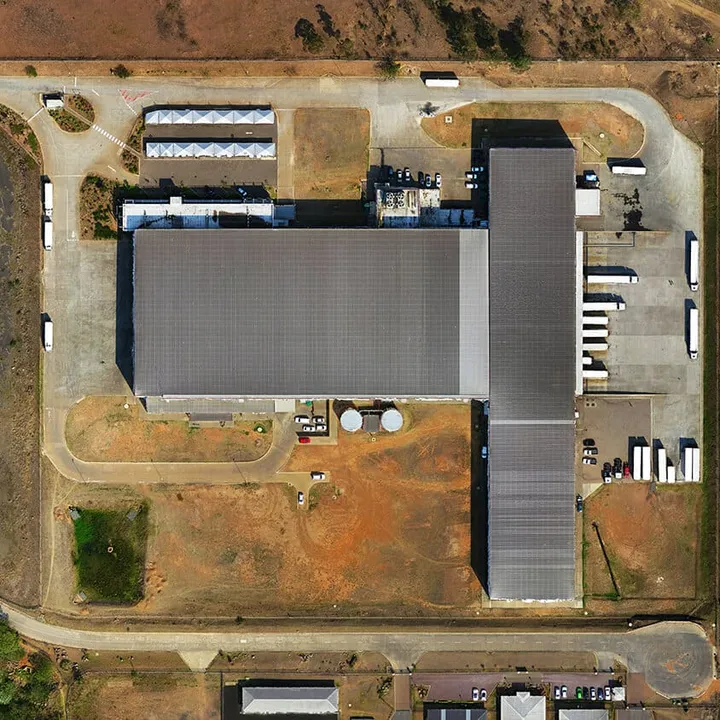
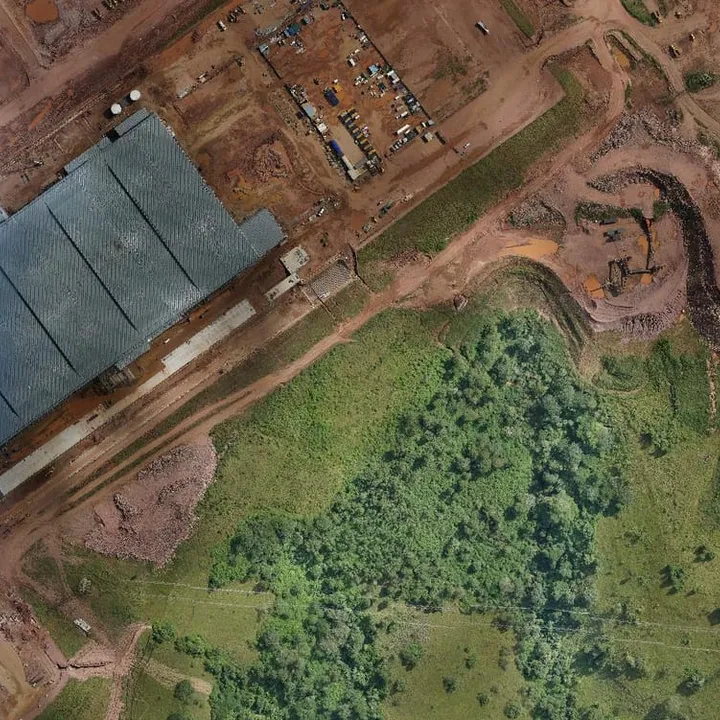
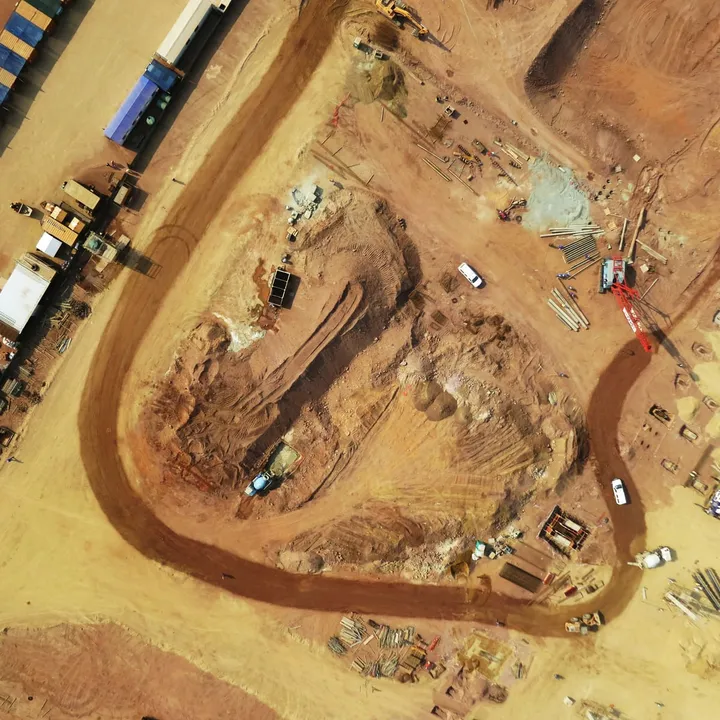
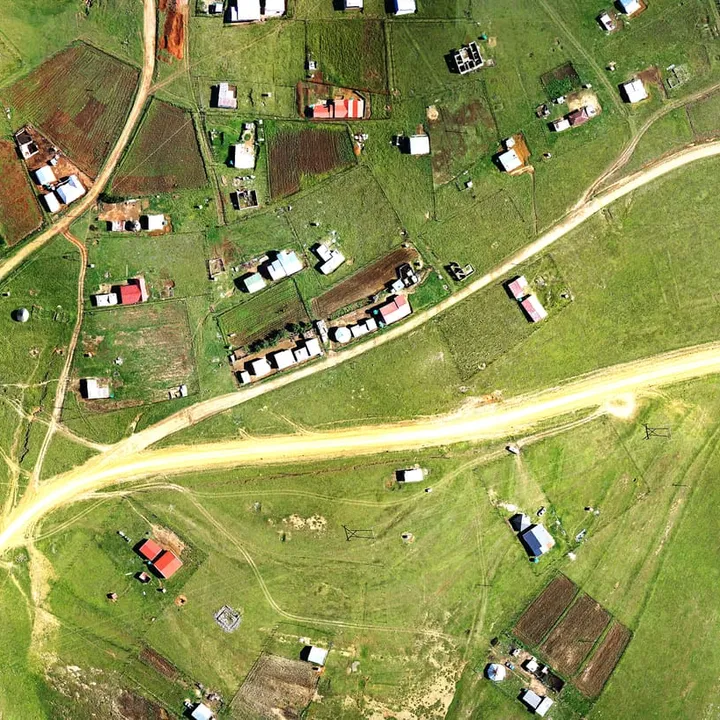
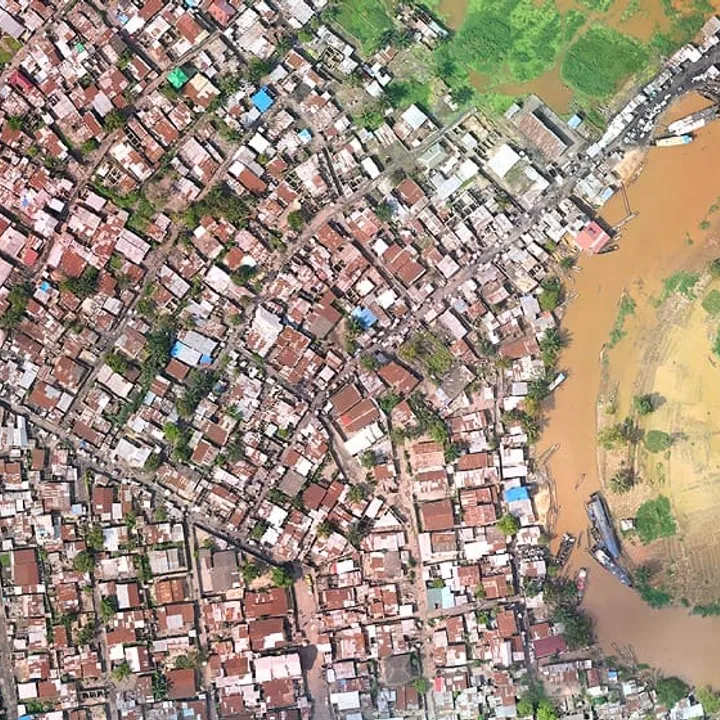
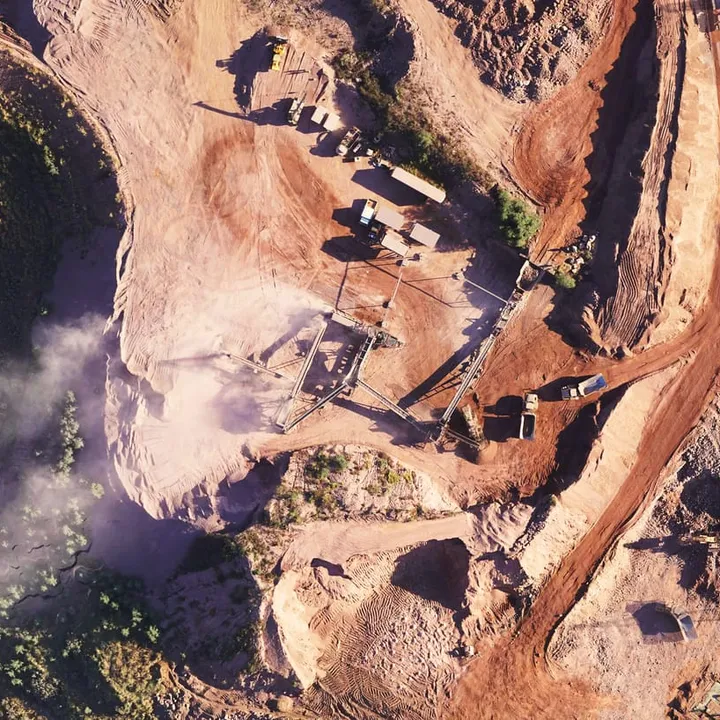
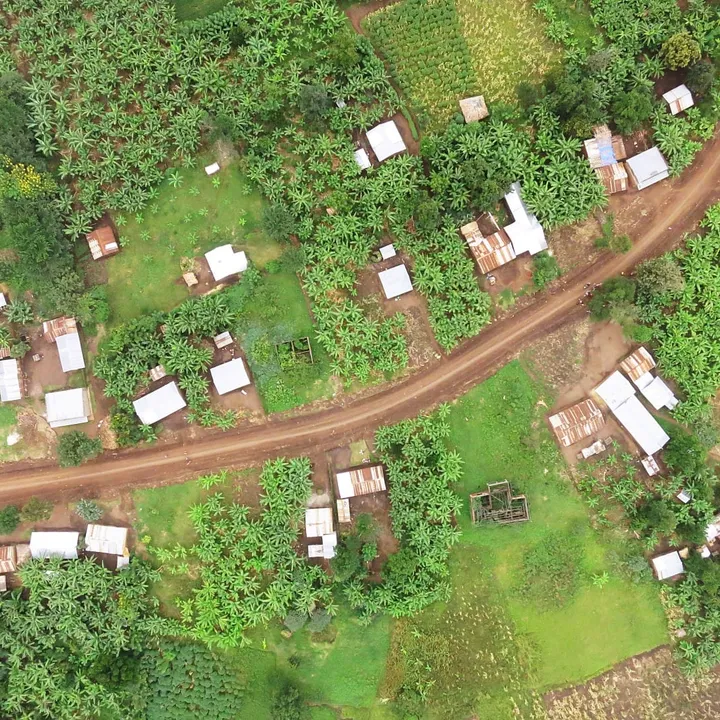
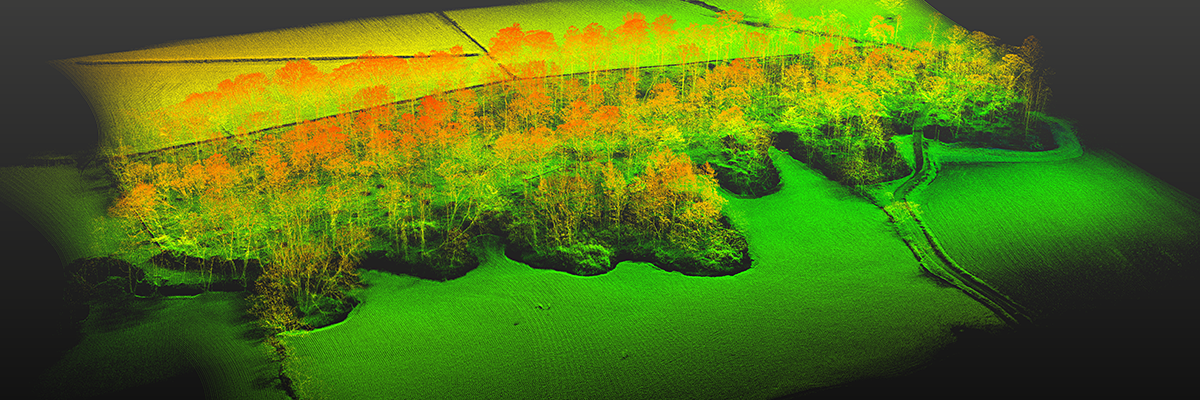
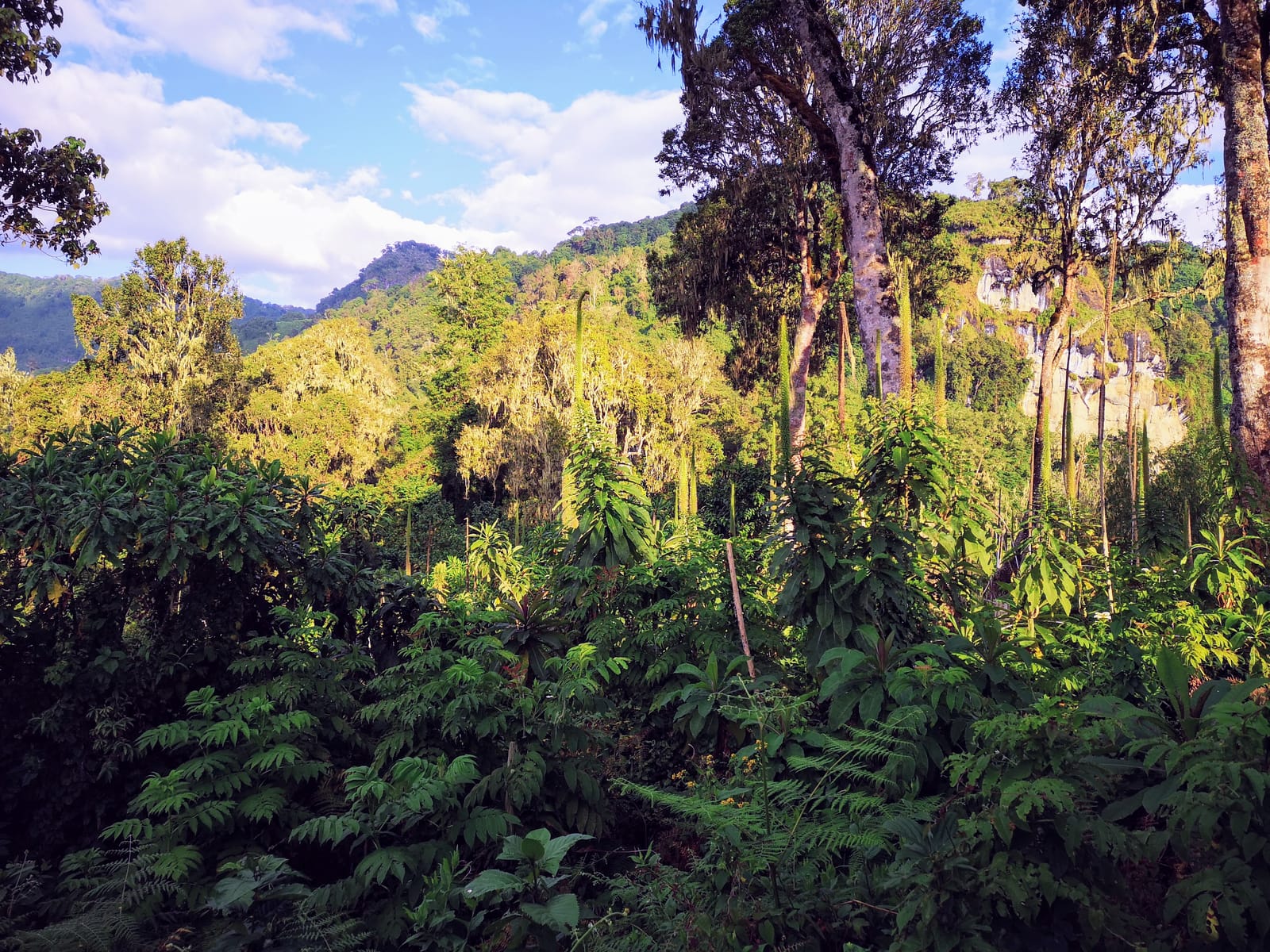
Using a multiple return laser scanner, terrain is measured at a rate of over 2 000 000 times a second and 16 returns to produce a very dense pointcloud. The density of the pointcloud as well as small beam divergence allows laser pulses to penetrate small gaps in the vegetation cover to target and measure ground levels. This allows us to "see" inside vegetation cover and be able to accurately contour a bare earth terrain model after classification.
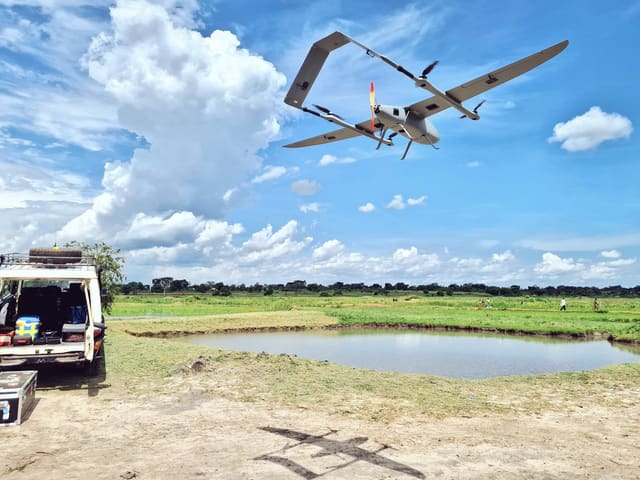
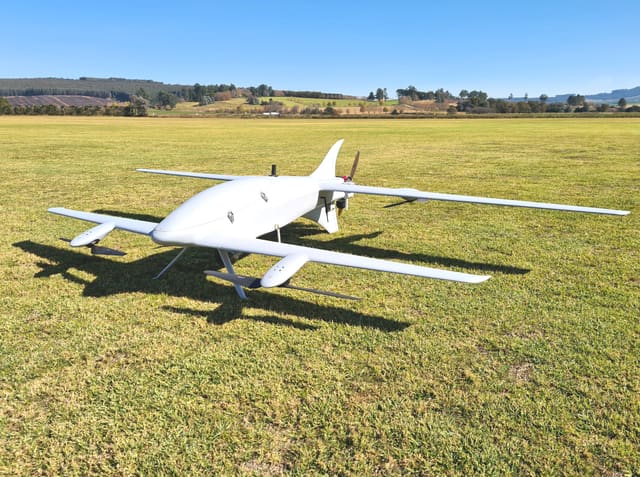
Our LiDAR units are capable of being deployed on a short range multirotor for very dense pointcloud mapping or on our large long range VTOL platforms for surveys up to 850km².
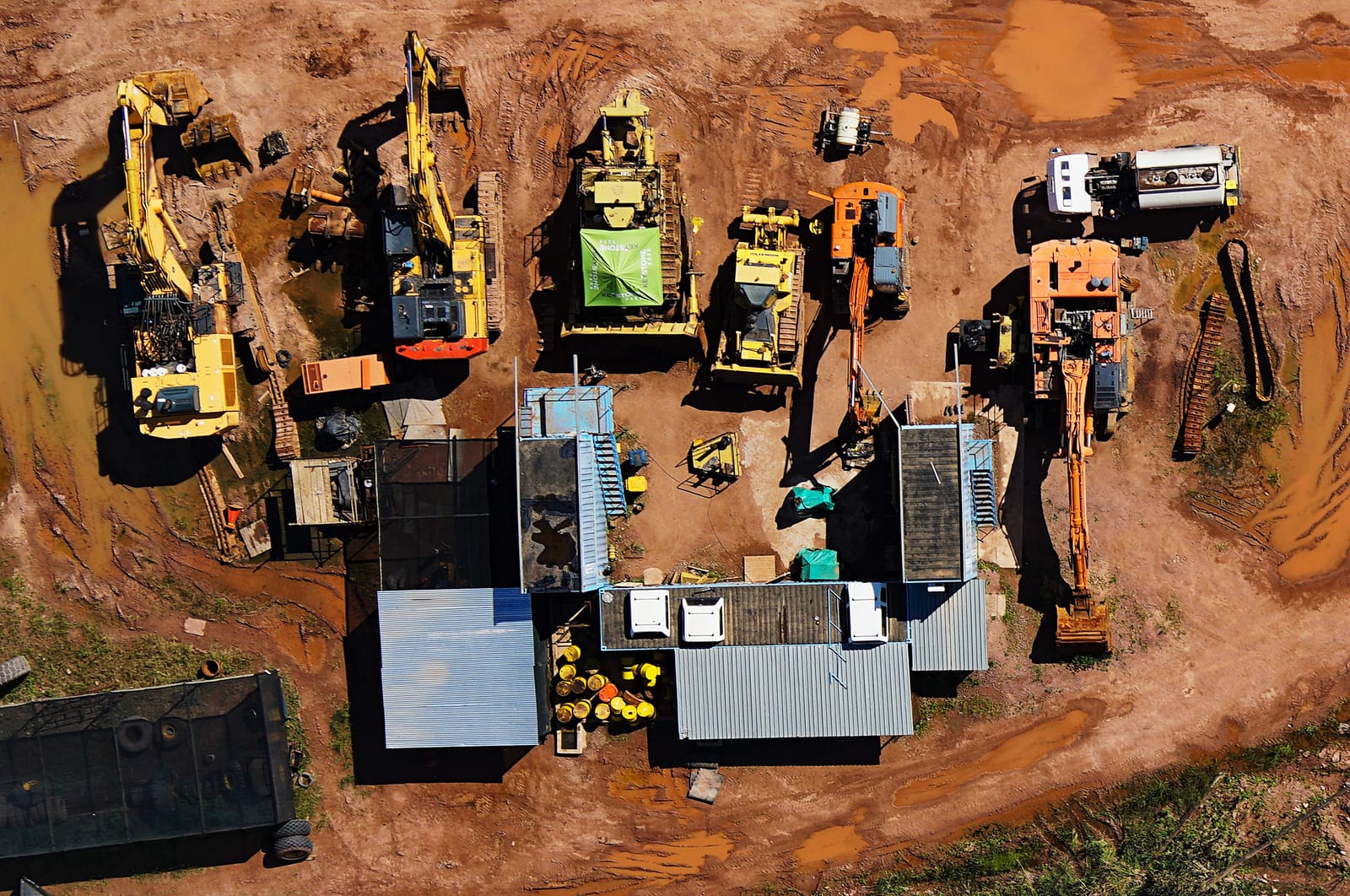
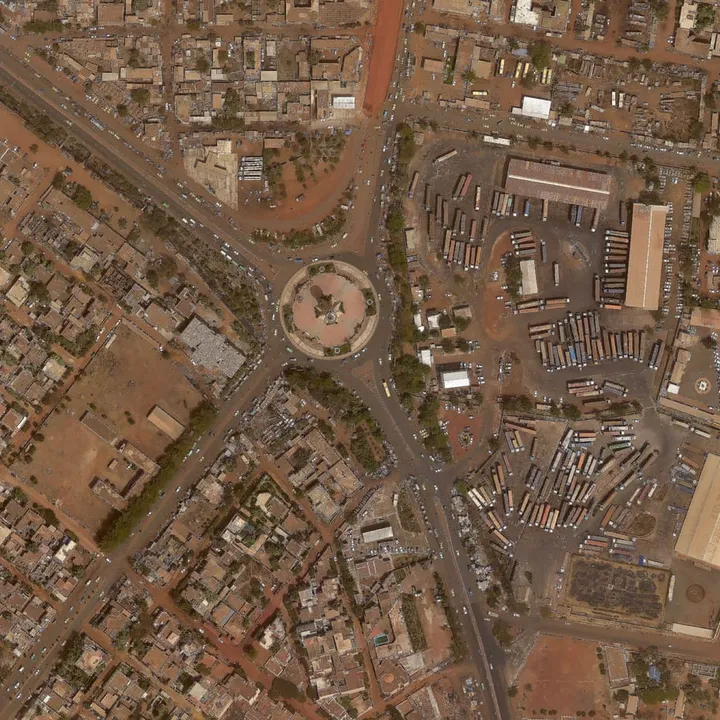
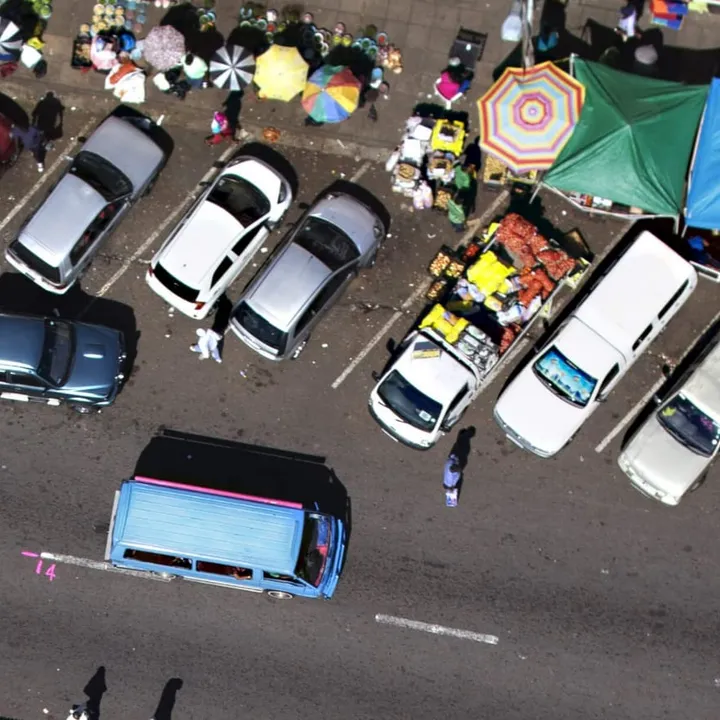
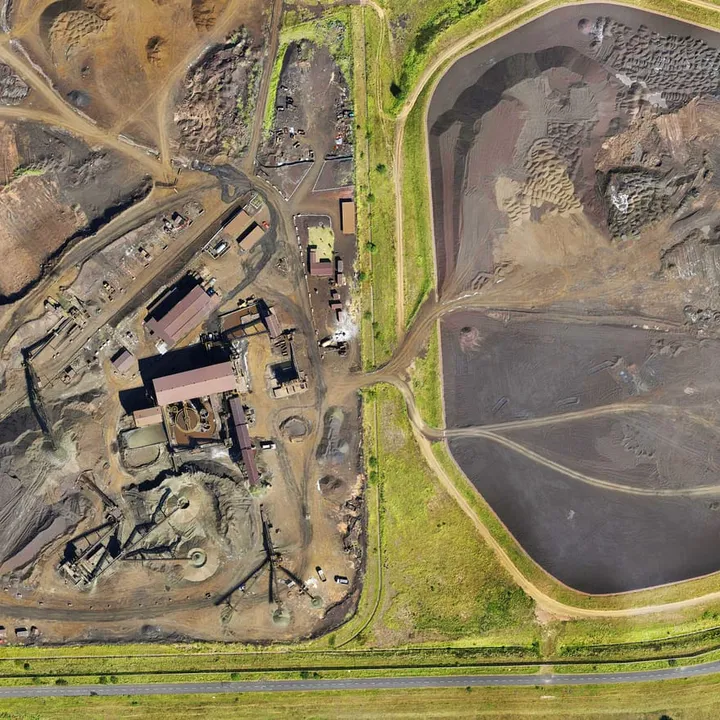
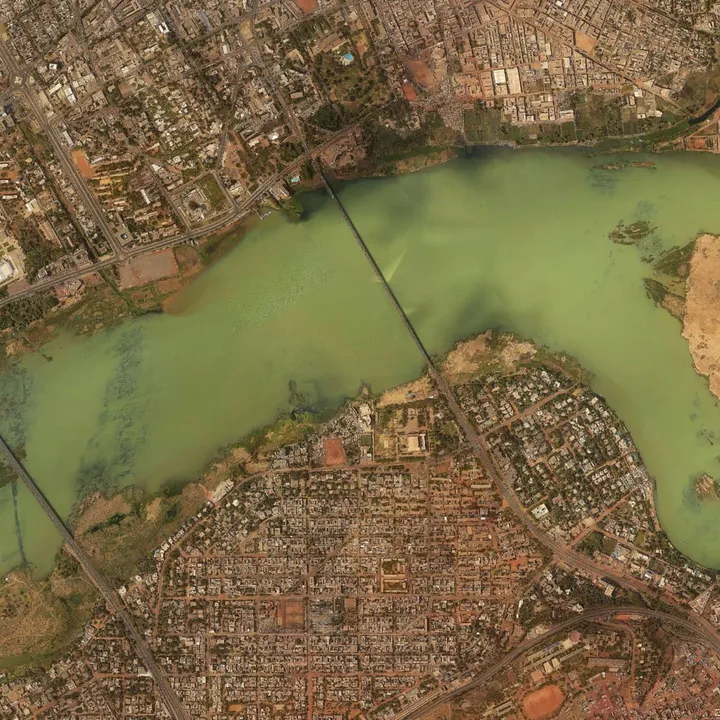
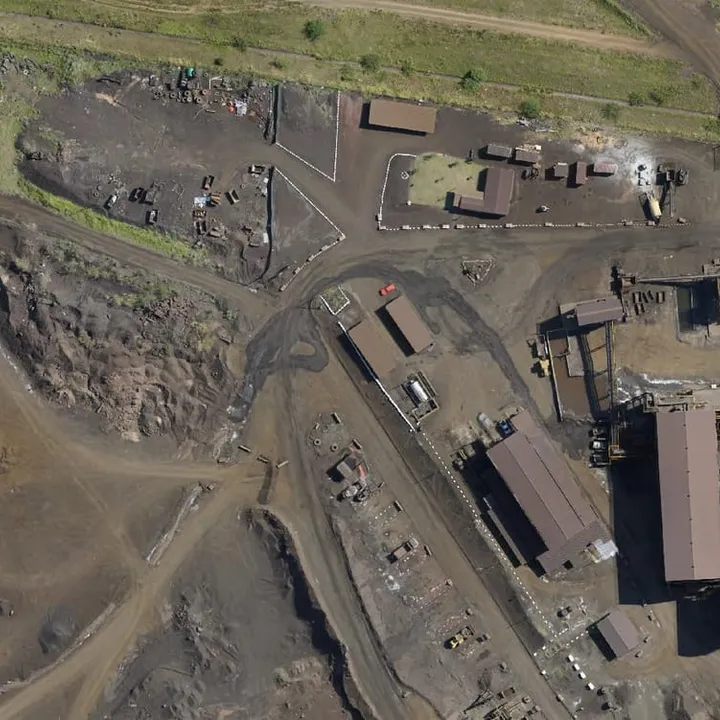
Using multiple stereo pairs, it is possible to generate orthophotos with true orthogonal projection. Compared to imagery captured by manned aircraft or satellite, orthophotos derived from a drone platforms tend to be clearer, more detailed and have a higher dynamic range. Since the camera is closer to the ground, detail in shade or shadows can be determined. This also allows for sharper images since less dust or pollution is "looked" through.
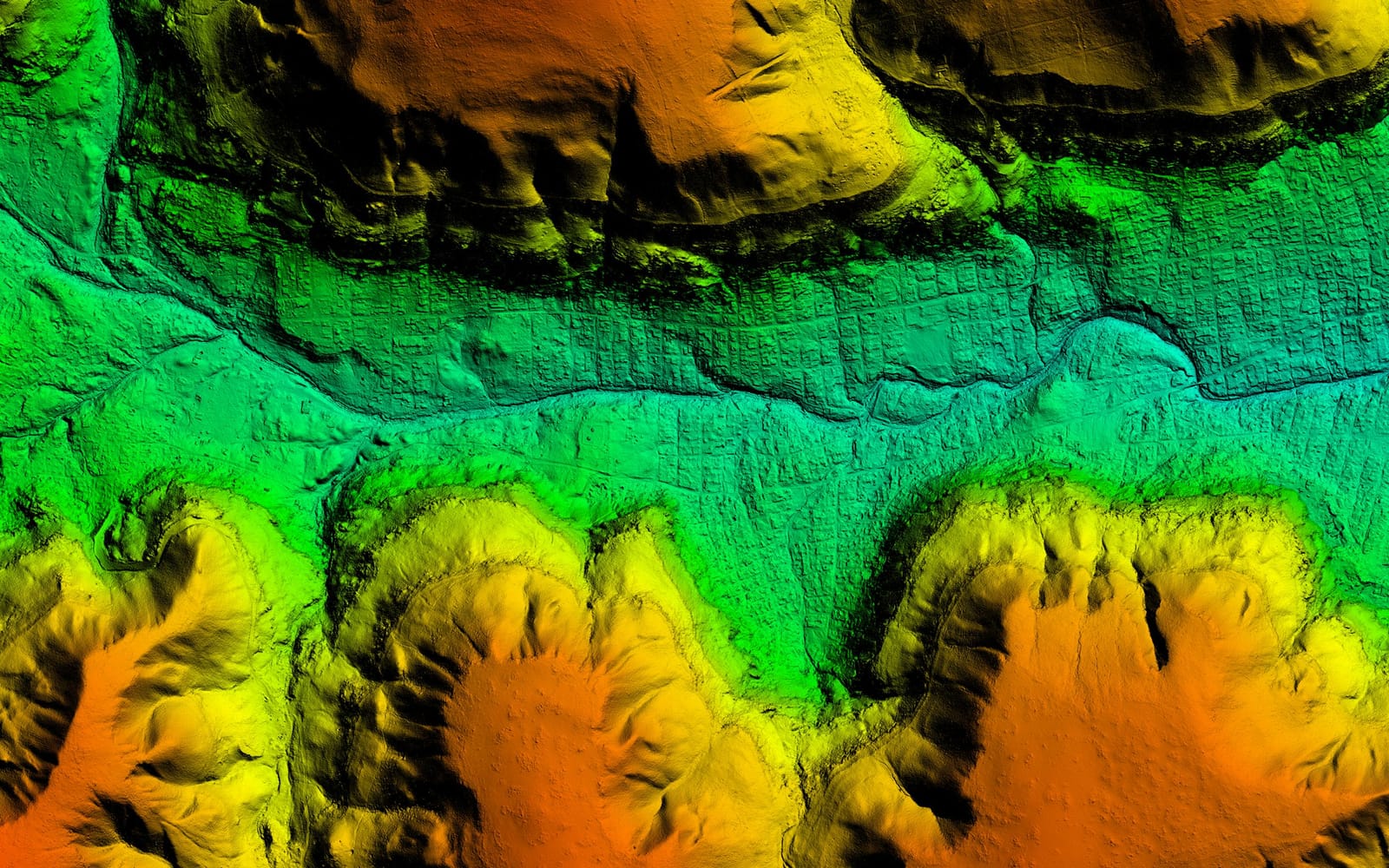
Generating Digital Surface and Terrain Models (DSM & DTM) from drone data can be quickly and accurately calculated via photogrammetric or LiDAR methods. Pointclouds can be classified into various categories that help distinguish terrain features. Ground levels are further refined by editing the DTM directly in a 3d environment and later decimated to reduce file sizes while retaining the accuracy and terrain features.
From DTM, contours, cross-sections and other data outputs can be calculated.
Trusted by:




















Featured in:



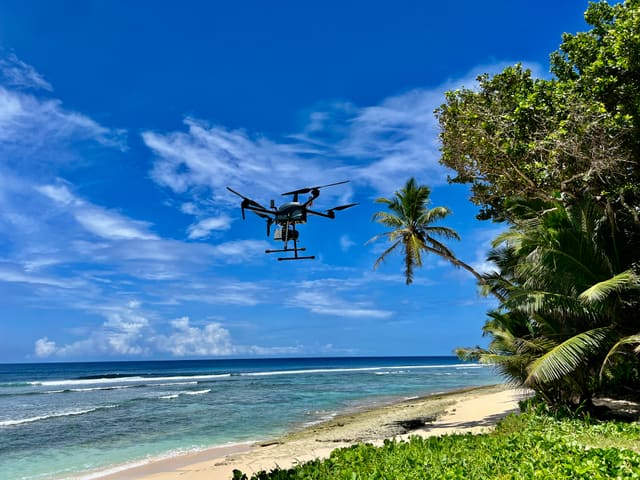
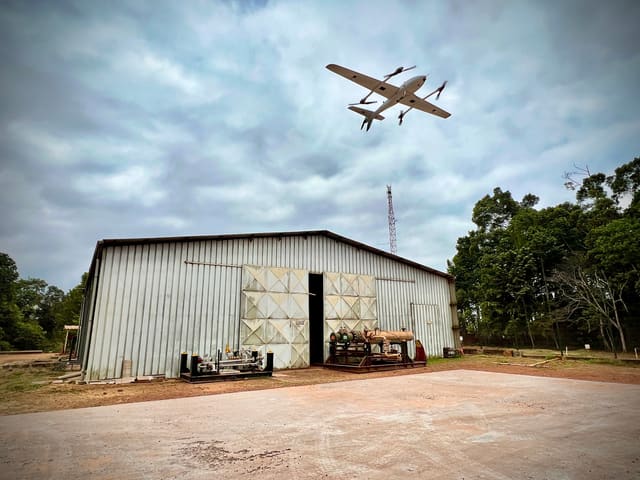
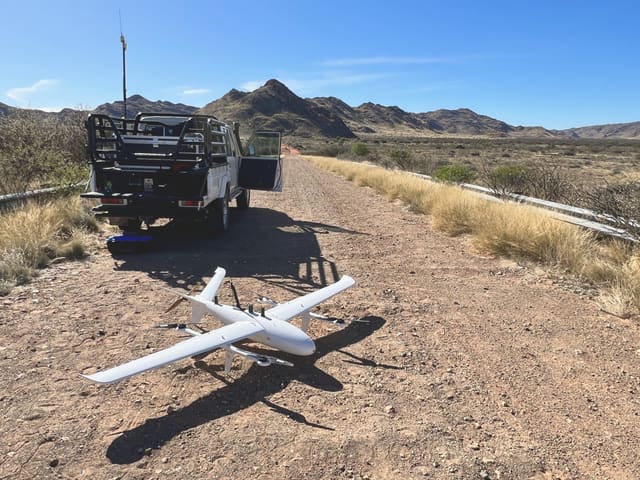
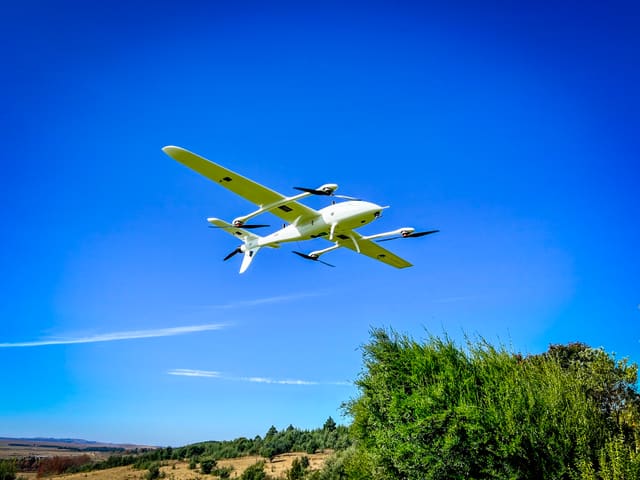
3DroneMapping's fleet is custom built for African conditions. These modifications have carefully been considered after years of research and development in actual field conditions. These are shipped from project to project and contain their own field maintenance equipment for any onsite repairs.
VTOL (Vertical Takeoff and Landing) fixed wing drones are typically used for larger areas (between 500ha and 80 000ha) while multirotor platforms are more suited for smaller surveys (<500ha).
All aircraft carry a LiDAR scanner and RGB imager as standard payload and are capable of high rate INS trajectory post-processing.
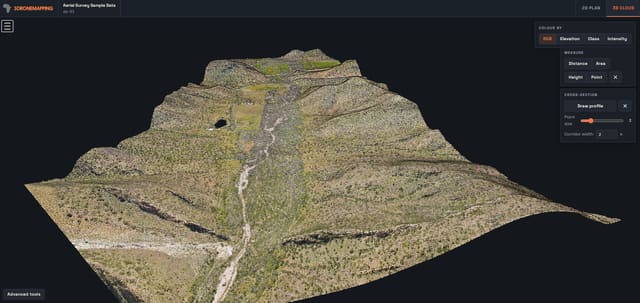
3DroneMapping now delivers every LiDAR and aerial survey through a browser-based portal — inspect the orthomosaic, fly through the point cloud, measure and cut profiles, then download the full-resolution files.
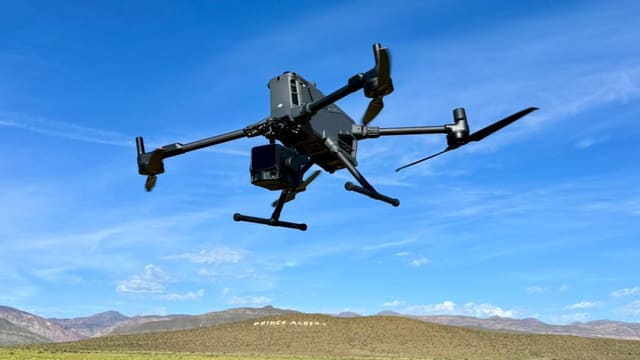
Testing the new DJI L3 LiDAR scanner on the DJI M400 with the Emlid Reach RS4 all-band GNSS receiver
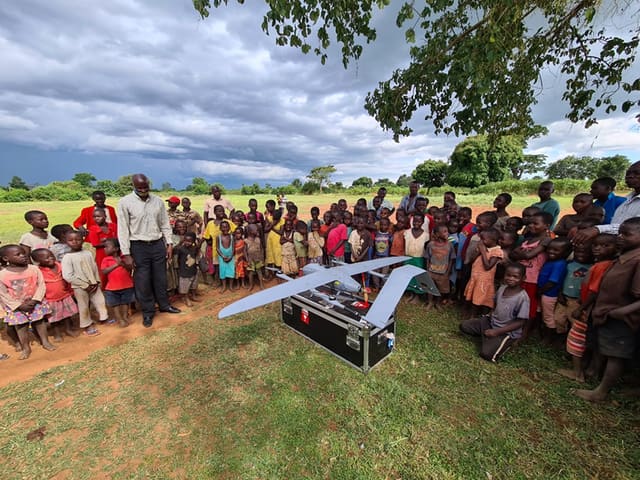
3DroneMapping performed a large-scale aerial survey of a proposed irrigation and damming scheme in the Iganga district of Uganda. Covering approximately 31,000 hectares, this project provided essential orthomosaic imagery and Digital Terrain Models (DTMs) to inform planning, design, and implementation of water
We operate all over the African continent. From remote isolated islands to vast deserts. As long as we have approval from governmental or military entities, we can conduct our surveys.
As a standard, we can produce orthomosaics, LiDAR based classified pointclouds, DTM, DSM, topographic drawings and contours. Thermal and multispectral data is available on special request.
Our standard accuracy is <50mm in terms of LiDAR point accuracy. While this can be further refined with different flight parameters, we feel this strikes a good balance between terrain representation and actual terrain. LiDAR density is standardised at >25ppm² (greater is possible on request) and orthomosaic resolutions up to <20mm.
This depends very much on terrain and site accessibility. Depending on aircraft type and availability, a 10 000ha site can be surveyed in a single day in optimum conditions. The same 10 000ha site takes about 5 days to process into deliverables.
The biggest we have surveyed that is practically possible is 85 000ha. Areas larger than this are not economically viable for us to survey and satellite or manned aircraft should be considered.
Each project needs to be carefully considered as there are specific costs relating to travel, security, terrain type, data processing times, staff scaling, etc. A typical 10 000ha site in Central Africa will cost ~$50 000 to survey.